For many older people and their families, the decision to move isn't something that has been planned for years. More often, it begins with an unexpected event – a fall, a hospital stay, a health diagnosis, or the gradual realisation that managing at home is becoming more difficult than it once was.
These moments can be unsettling for everyone involved.
Parents who have always been independent may find themselves facing difficult choices. Adult children can suddenly find themselves navigating conversations about safety, care, and the future, often while balancing work, family, and other responsibilities of their own.
It's a situation many families are familiar with, yet few feel fully prepared for.
One of the challenges is that these conversations often happen quickly. A health scare can bring future care needs into sharp focus, leaving families needing to make important decisions in a relatively short space of time. Questions arise about whether the current home is still suitable, what support may be needed, and what options are available moving forward.
Alongside the practical decisions are the emotional ones.
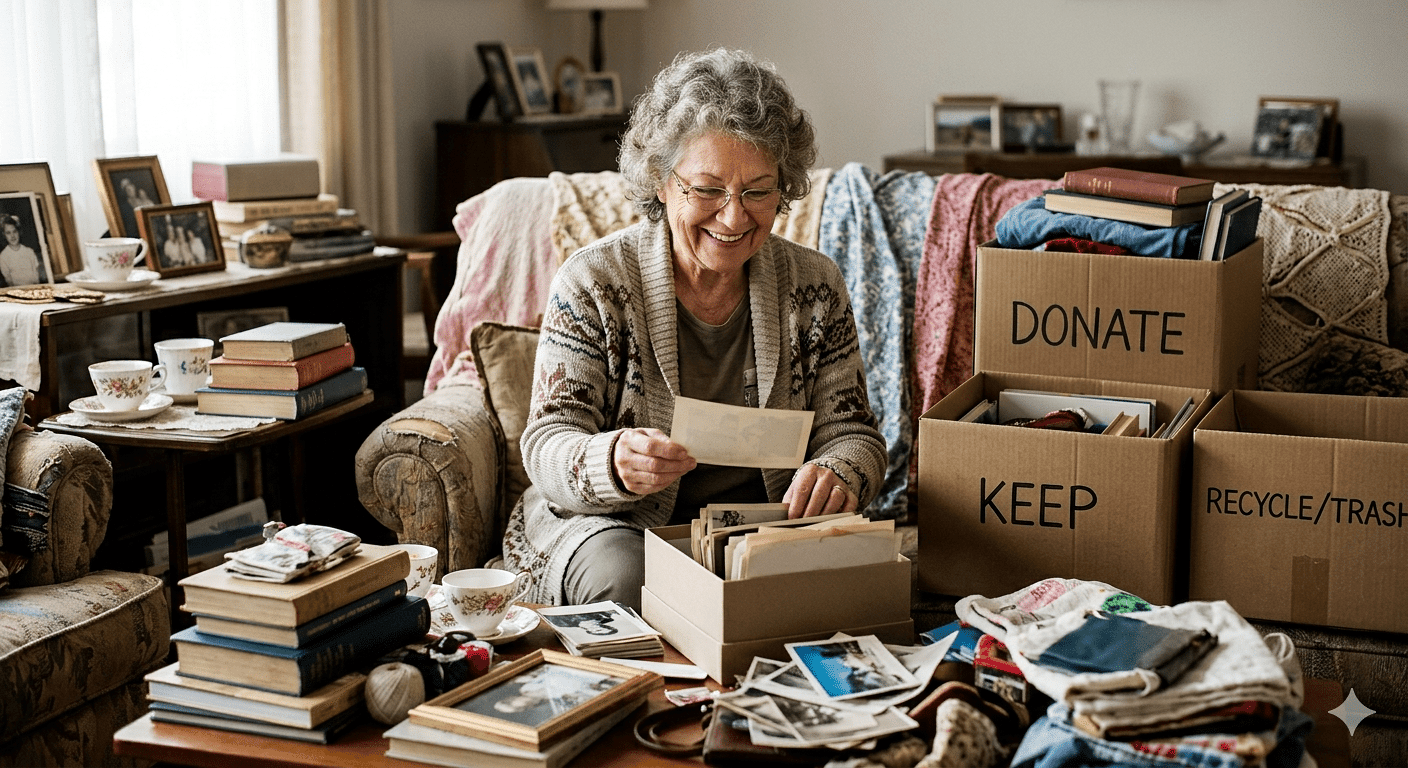
A family home often represents far more than bricks and mortar. It can hold decades of memories, milestones, and treasured possessions. The thought of leaving can bring feelings of sadness, uncertainty, and even grief. Family members may also experience feelings of guilt, wondering whether they are making the right decisions or whether they should be doing more.
These feelings are completely normal.
One of the most helpful things families can do during this time is to recognise that they don't need to have all the answers immediately. Taking things one step at a time, gathering information, and seeking support where needed can make the process feel far more manageable.
It's also important to remember that a move doesn't have to mean losing independence. In many cases, moving to a more suitable home, retirement village, or supported living environment can actually improve quality of life. Reduced maintenance, greater accessibility, social connection, and access to support can help people maintain their independence for longer while providing reassurance to those who care about them.
When families are facing these changes, practical help can often ease some of the pressure. Whether it's assistance with sorting through belongings, coordinating a move, preparing a property for sale, or simply having someone experienced to guide the process, support can help families focus on what matters most – spending time together and making decisions with confidence.
Every family's journey is different. Some have months to plan, while others find themselves needing to make arrangements much sooner than expected. Whatever the circumstances, it's important to remember that you're not alone. Many families have walked this path before, and there is support available to help make what can feel like an overwhelming situation a little easier to navigate.
Sometimes the most important thing is simply knowing where to start and having someone beside you as you take the next step.